


In today’s competitive business landscape, establishing a strong brand identity is a crucial factor for the success of startup branding efforts. A well-crafted brand identity and voice helps create a positive perception, differentiate from competitors, and build trust with customers.
If you are a startup looking to make it big in the branding world, read on for some tips on what you should focus on!
Define your brand strategy
Before diving into design and visual elements, it’s essential to define a concrete brand strategy. This involves understanding your target audience, competitors, and unique value proposition. Ask yourself the following questions:
- Who is your target audience, and what are their preferences and pain points?
- What sets your startup apart from competitors?
- What is your unique selling proposition (USP)?
- What are your brand values and personality traits that resonate with your audience?
Craft a compelling brand story
A powerful brand story connects with customers on an emotional level and helps differentiate your startup. It should encapsulate your mission, vision, and values. Consider the following elements when crafting your brand story:
- Origin: Share the story behind your startup’s founding. What inspired you to start this venture?
- Purpose: Explain the problem you aim to solve and how it aligns with your customers’ needs.
- Impact: Highlight the positive change your startup brings to customers’ lives or the community.
- Authenticity: Use a genuine and relatable tone to engage your audience.
Example: Patagonia, a renowned outdoor clothing brand, tells a compelling brand story centered around environmental sustainability and activism. Their story revolves around the founder’s passion for nature, their commitment to producing high-quality products, and their efforts to protect the environment.

Develop a distinctive brand name and logo
Your brand name and logo are the visual representations of your startup and play a vital role in creating a lasting impression. When choosing a brand name and designing a logo, keep the following in mind:
- Simplicity: Ensure your brand name is easy to remember and pronounce. The logo should be clean, uncluttered, and scalable.
- Relevance: The name and logo should align with your brand values, industry, and target audience.
- Uniqueness: Conduct thorough research to ensure your brand name and logo are distinct and not already in use.
- Versatility: The logo should be adaptable across various mediums and sizes.
Example: Slack, a popular team communication platform, has a simple yet distinctive name that stands for “Searchable Log of All Conversation and Knowledge.” Their logo, designed by the branding agency called Pentagram, incorporates a colorful, speech bubbles and lozenges, representing collaboration and connection at the same time simplicity and ease of use of its application.

Design a consistent visual identity
Consistency is key in all aspects of life, especially when it comes to branding. A visually cohesive identity helps build recognition and reinforces your startup’s values. Consider the following aspects:
- Color Palette: Choose a color scheme that evokes the desired emotions and resonates with your target audience.
- Typography: Select fonts that align with your brand personality and are legible across different mediums.
- Imagery: Determine the style of imagery that reflects your brand, whether it’s minimalist, bold, or playful.
- Design Elements: Consistency in the use of design elements such as shapes, icons, or patterns can enhance brand recognition.
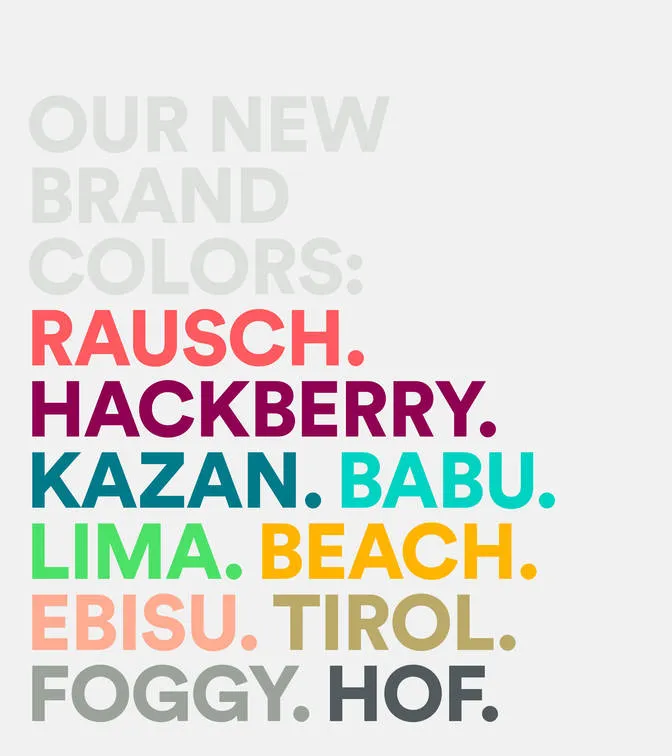
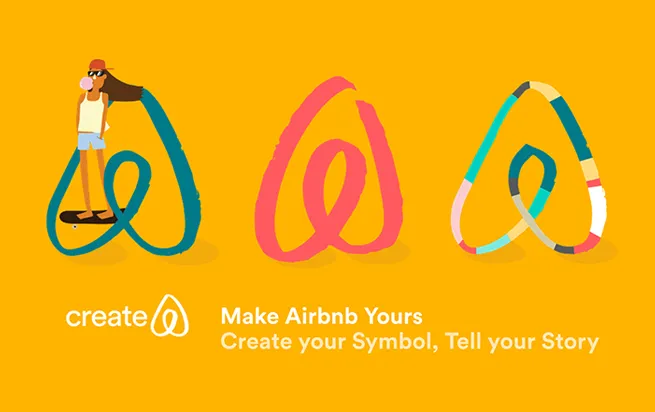
Example: Airbnb’s visual identity is consistently reflected across its platforms. They use a versatile color palette, friendly typography, and showcase diverse imagery representing the unique experiences travelers can have through their platform.
Develop brand messaging and voice
Your brand messaging and voice determine your personality and how you communicate with your audience. It should be consistent across all channels and reflect your brand’s values. Consider the following aspects:
- Tone of Voice: Determine the appropriate tone, whether it’s professional, casual, or authoritative, based on your target audience and industry.
- Messaging Framework: Develop key messages that convey your startup’s value proposition, benefits, and unique selling points.
- Brand Voice Guidelines: Establish guidelines for writing and communication style to ensure consistency in all brand communications.
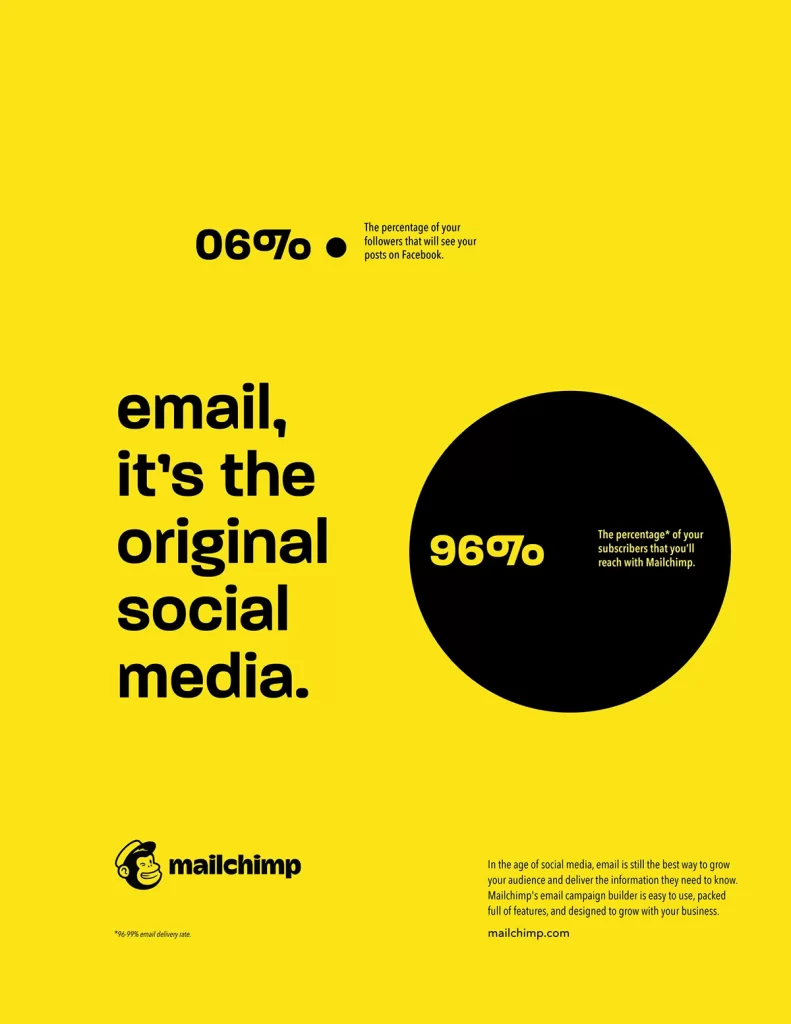
Example: Mailchimp, an email marketing platform, has a friendly and approachable brand voice that resonates with small businesses and entrepreneurs. It is almost like a quirky and naughty monkey is speaking to users! At the same time, the messaging focuses on simplicity and empowering their users to grow their businesses.
Build a strong online presence
In today’s digital era, a strong online presence is essential for startups to reach their target audience and establish credibility. Consider the following steps:
- Website: Develop a professional and user-friendly website that reflects your brand identity and provides relevant information about your products or services.
- Social Media: Choose the social media platforms where your target audience is most active, and create engaging content to build a community around your brand.
- Content Marketing: Produce valuable and informative content, such as blog posts, videos, or podcasts, to position your startup as a thought leader in your industry.
- Search Engine Optimization (SEO): Optimize your website and content to improve your visibility in search engine results and attract organic traffic.
Example: Dollar Shave Club, a subscription-based razor company, built a strong online presence through a combination of witty marketing videos on platforms like YouTube, a user-friendly website, and engaging social media content. Their humorous and relatable approach helped them stand out in a competitive industry.

Foster brand advocacy and relationships
Your customers can become your brand advocates and help spread positive word-of-mouth. Foster strong relationships with your audience through the following strategies:
- Exceptional Customer Service: Provide exceptional customer support and resolve issues promptly to create a positive customer experience.
- Customer Engagement: Encourage customer feedback, respond to reviews, and engage with your audience on social media to build a sense of community.
- Influencer Marketing: Collaborate with influencers or industry experts who align with your brand values to expand your reach and credibility.
Example: Glossier, a skincare and beauty brand, built a strong community of brand advocates through social media engagement and user-generated content. They actively involve their customers in product development and incorporate their feedback, fostering a sense of ownership and loyalty.
Conclusion
Establishing a strong brand identity is a critical step for startups to differentiate themselves, build trust with customers, and drive business success. Remember, a successful brand identity goes beyond aesthetics.
It encompasses a holistic approach that resonates with your target audience and sets you apart from competitors. So, pay attention to it and make sure it is the best it can be for optimum results!