

Creating a brand strategy development process is akin to crafting a masterpiece. It involves meticulous planning, creativity, and a deep understanding of the brand’s core values and target audience. A well-thought-out brand strategy not only establishes a strong brand identity but also fosters a deep connection with consumers. This journey from a simple mood board to a fully realized brand masterpiece can be broken down into several key stages.
Stage 1: Discovery and Research
The first stage in developing a brand strategy is discovery and research. This phase is crucial as it lays the foundation for all subsequent steps.
Understanding the brand
Define the brand’s mission, vision, and values. This involves asking questions like “What does the brand stand for?” and “What are its long-term goals?” This is also the step where you need to determine the personality traits of the brand. Is it fun and quirky, or serious and professional?
Market and competitor analysis
Now you need to conduct thorough research to understand market trends, consumer behavior, and industry dynamics. Analyze competitors to identify their strengths, weaknesses, opportunities, and threats (SWOT analysis). This helps in positioning the brand uniquely in the market.
Target audience
It is now time to define the target audience for your business. How can you sell to someone unless you know who you are selling to? Do this by identifying their age, gender, location, lifestyle, and values. Understand the problems and needs of the target audience to create a brand that resonates with them.

Also read: The role of brand strategy for your business to thrive
Stage 2: Brand Positioning
Once the discovery and research phase is complete, the next step is to define the brand positioning. This involves identifying the unique place the brand will occupy in the minds of the target audience.
Unique value proposition (UVP)
Clearly articulate what makes the brand unique and why customers should choose it over competitors. Highlight the key benefits and differentiators that set the brand apart for your chosen target audience.
Brand promise
Develop a compelling brand promise that communicates the core value and benefits the brand delivers to its customers. You also need to ensure that this promise is consistently reflected in all brand communications and interactions.
Stage 3: Creative Development
With a clear understanding of the brand’s positioning, the next step is to translate this strategy into creative elements that bring the brand to life.
Mood board creation
Create a mood board that captures the visual essence of the brand. This includes colors, typography, imagery, and design elements that reflect the brand’s personality. Involve key stakeholders in the mood board creation process to ensure alignment and gather diverse perspectives.

Brand identity design
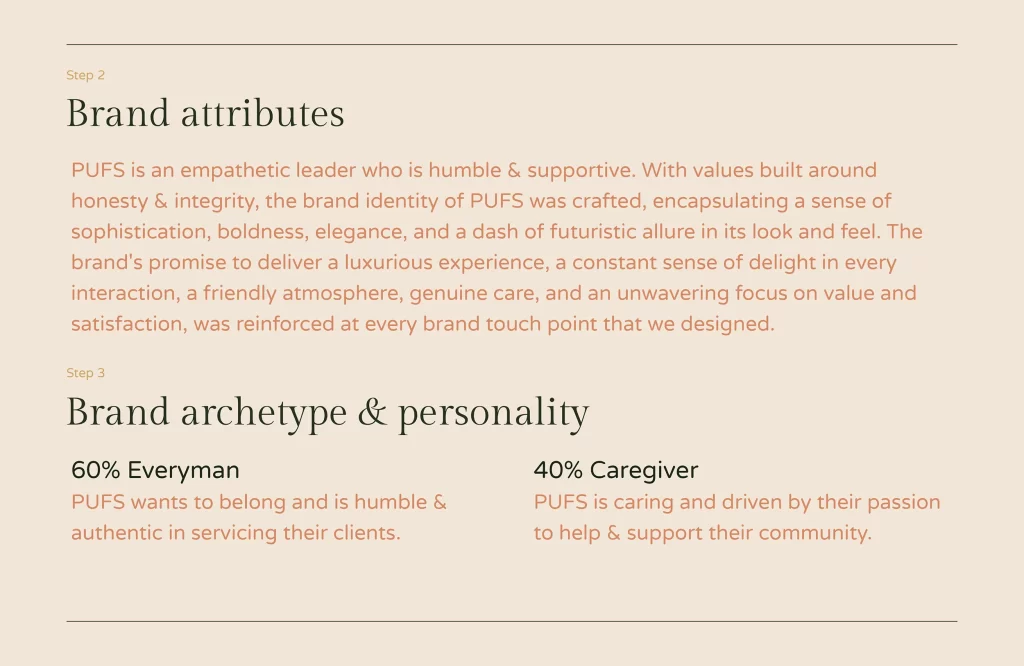
Now you need to plan and develop a logo that embodies the brand’s values and positioning. It should be memorable, versatile, and timeless. Choose a color palette that resonates with the brand’s personality and evokes the desired emotional response from the audience.
At this stage, you also need to pay attention to typography and select fonts that align with the brand’s tone and style. It is a good idea to take the time to create a library of images and icons that reflect the brand’s visual style.

Brand voice and messaging
Define the brand’s tone of voice. Is it formal, friendly, witty, or authoritative? Also, develop key messages that communicate the brand’s value proposition and differentiators. Spend time with your team to brainstorm and craft a memorable tagline that encapsulates the essence of the brand.
Also read: Fundamentals of brand positioning strategy in a competitive market
Stage 4: Implementation and Execution
With the creative elements in place, the next step is to implement and execute the brand strategy across all touchpoints.
Brand guidelines
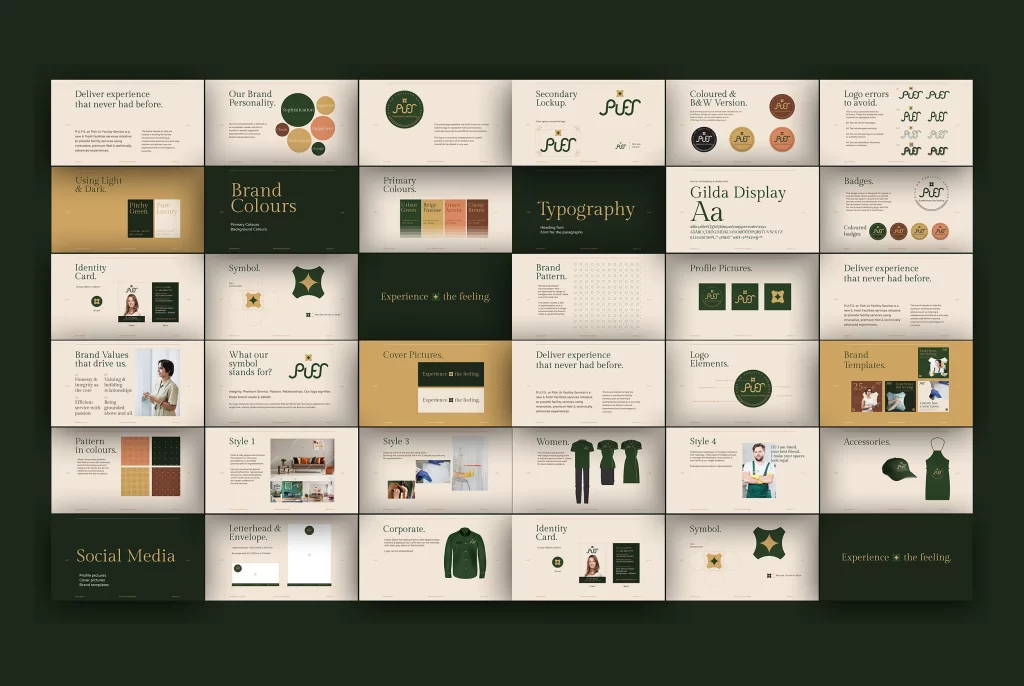
Develop detailed brand guidelines that outline the proper use of the brand’s visual and verbal elements. This ensures consistency across all platforms and communications as the years go by and your business scales more and more. No matter how many years go by, your brand will always stay rooted to these guidelines. Train employees and stakeholders on the brand guidelines to ensure everyone understands and adheres to the brand standards.
Launch plan
Before going public, introduce the brand internally to employees. This helps in creating brand ambassadors who can effectively communicate the brand’s values and promise. It is also a good idea to plan and execute a comprehensive launch strategy. This plan needs to include digital marketing, social media campaigns, PR activities, and events.
Stage 5: Monitoring and Evaluation
The final stage in the brand strategy development process is monitoring and evaluation. This involves tracking the performance of the brand strategy and making necessary adjustments.
Performance metrics
Identify KPIs to measure the effectiveness of the brand strategy. These could include brand awareness, customer engagement, sales growth, and market share. You can use analytics tools to monitor the performance of brand campaigns and initiatives. If you don’t have the time or expertise to do this yourself, then invest in a professional to do this in real-time.
Feedback and adaptation
Gather feedback from customers to understand their perception of the brand. This can be done through surveys, focus groups, and social media listening. Be sure to use the feedback you gain to refine and adapt the brand strategy. This ensures that the brand remains relevant and continues to meet the needs of its target audience.
Conclusion
A successful brand strategy not only differentiates the brand from its competitors but also builds lasting relationships with customers. It’s a dynamic process that evolves with market trends and consumer preferences, ensuring that the brand remains relevant and impactful over time. By mastering this process, brands can turn their vision into a masterpiece that stands the test of time.